Coity Castle

VaultStone conserved Coity Castle’s fabric, consolidating ruins through masonry stabilisation, lime repointing, cement mortar removal, and hard cappings, preserving the CADW Scheduled Monument while safeguarding authenticity.

CADW Asset Number

CADW Class

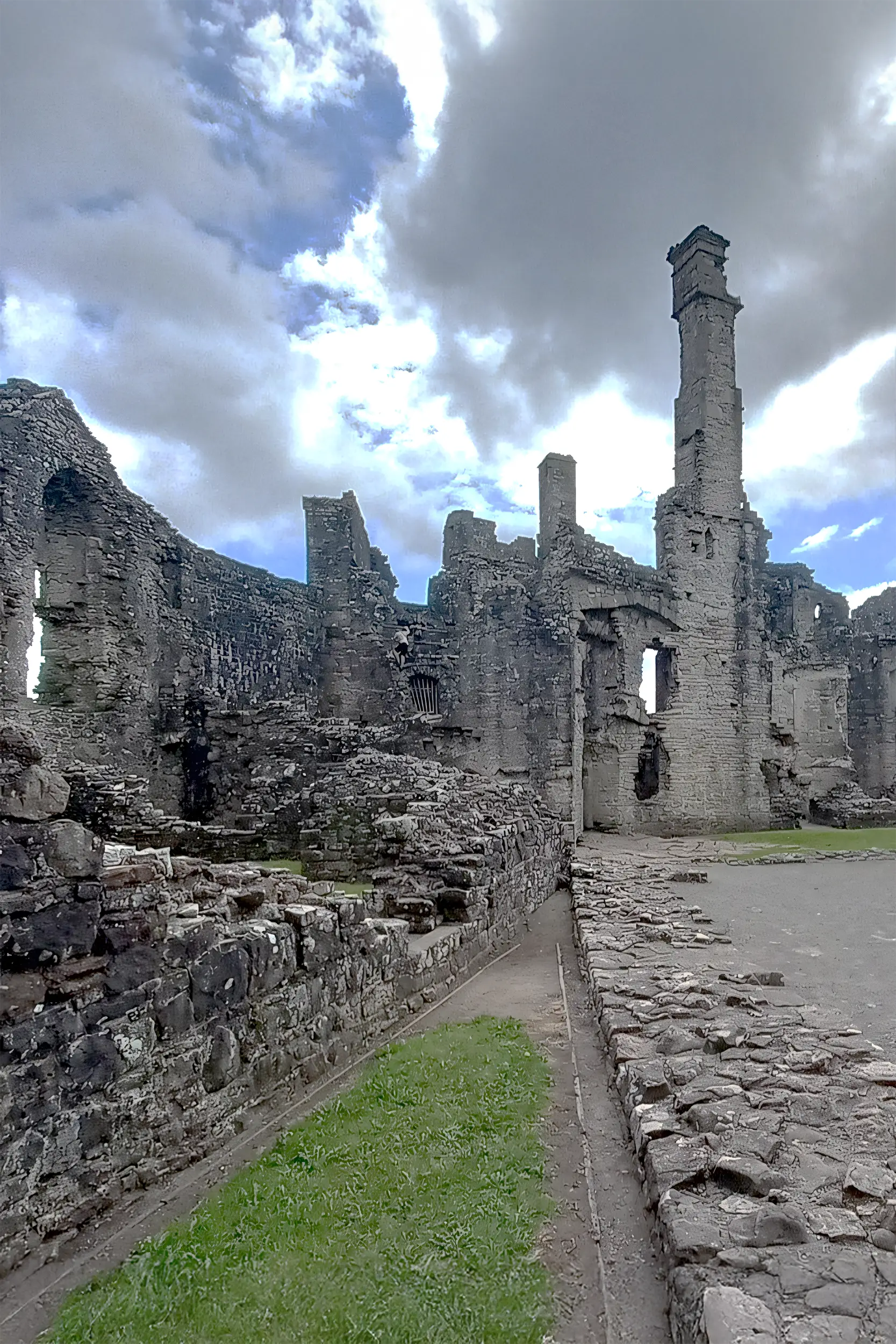
Coity Castle is situated on slightly elevated ground to the north of the village of Coity, offering expansive views across the Vale of Glamorgan to the south. Its strategic position reflects its original defensive purpose during the medieval period.


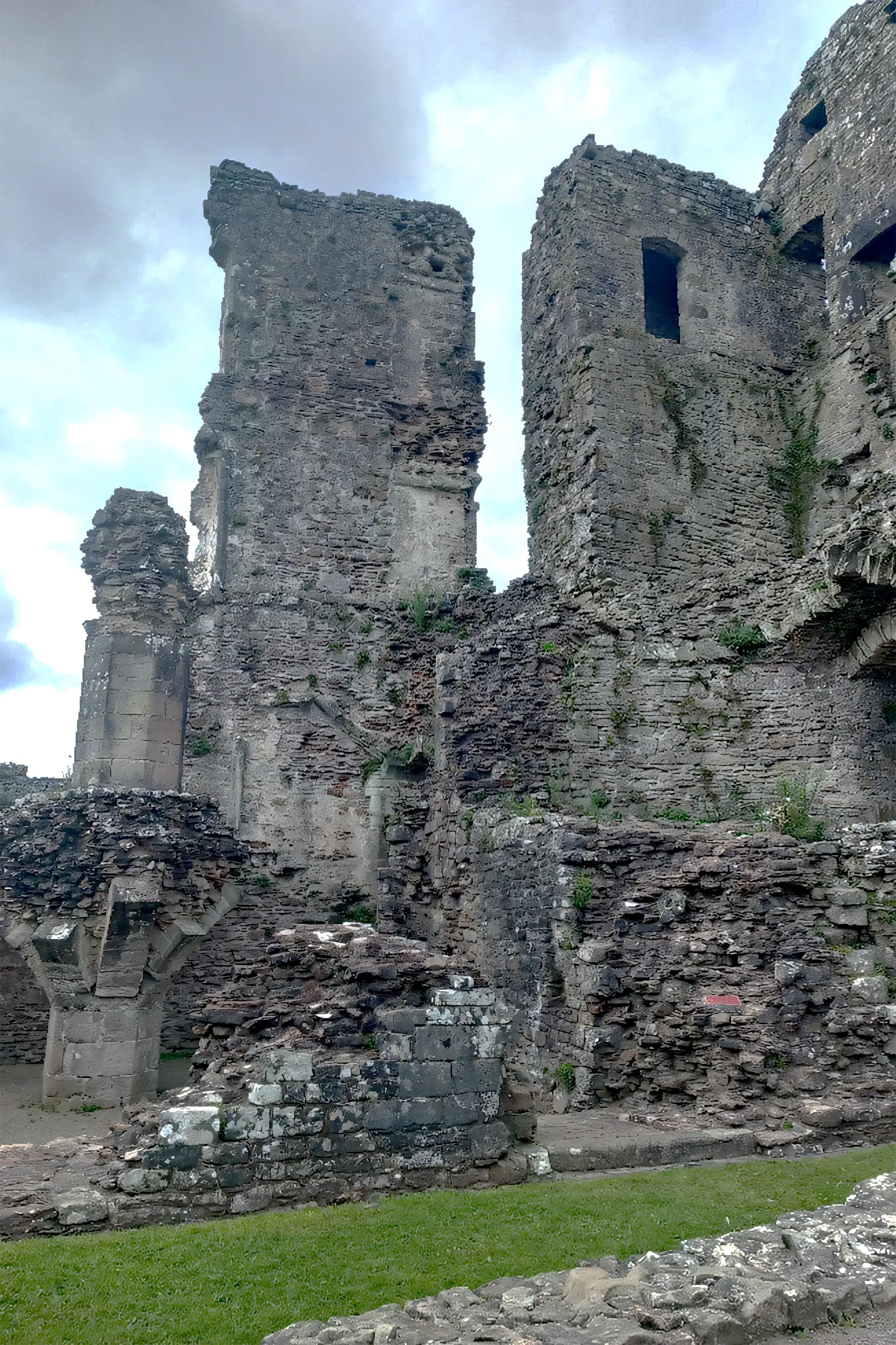
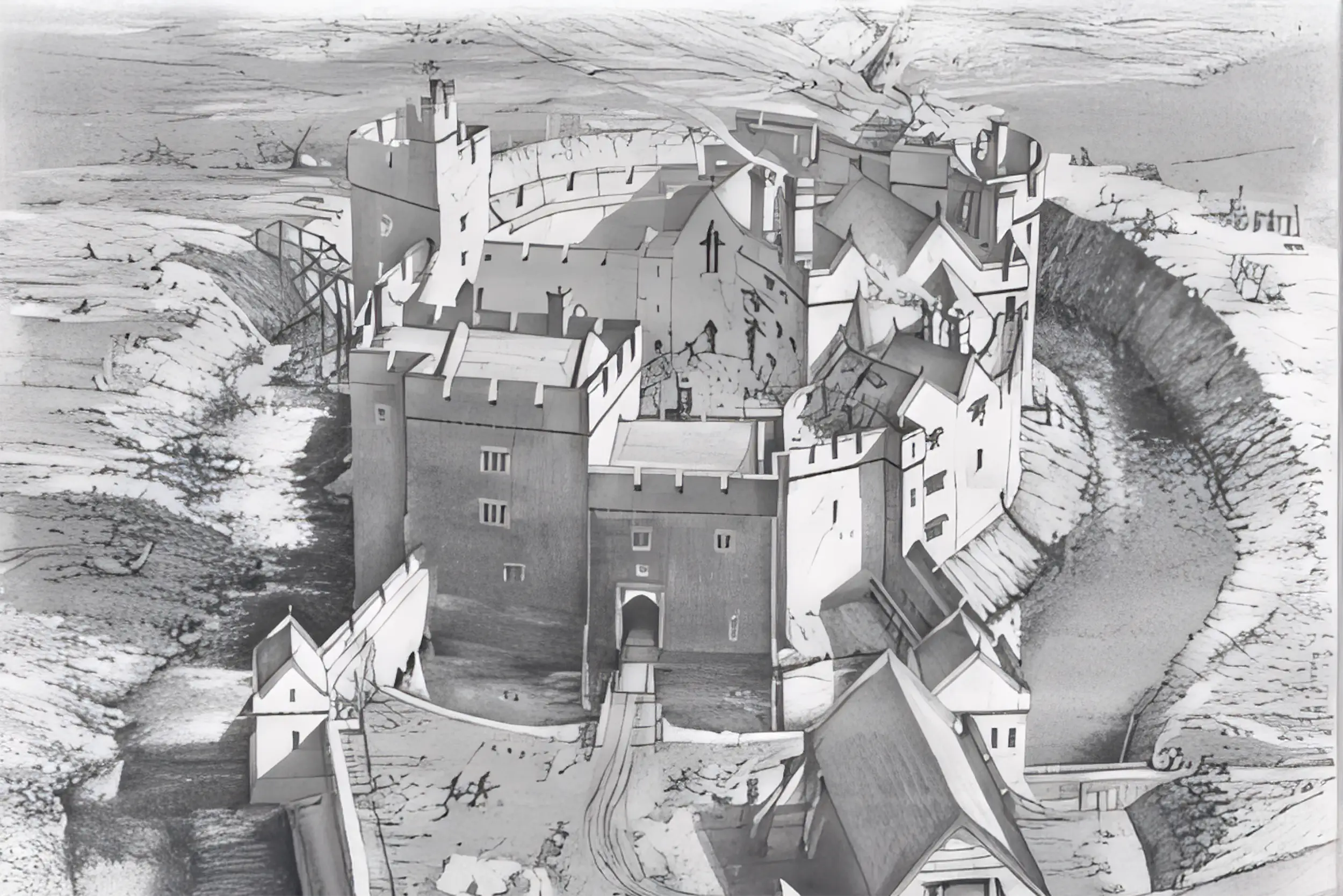
The monument comprises the remains of a medieval castle, with key structural elements dating predominantly to the late 12th century. The inner ward is enclosed by a circular faceted curtain wall, which incorporates a rectangular keep. Along the south side of the ward, extensive 14th-century rebuilding introduced domestic quarters, including:

  • A central first-floor hall above a vaulted under croft
  • Ground-floor service rooms, notably a kitchen with ovens

Coity Castle is a significant example of medieval defensive architecture in Wales. Its layered construction history—from Norman fortification to later domestic adaptation—offers valuable insight into the evolution of castle design and use. The site’s designation as a Scheduled Monument ensures its protection and recognition as a heritage asset of national importance.

Working as a specialist subcontractor alongside one of the region’s premier heritage main contractors, we were entrusted with the targeted repair and consolidation of the remaining ruins of Coity Castle, a Scheduled Monument of national significance.

The scope of works was informed by a detailed heritage survey commissioned by CADW and carried out by their conservation-accredited professional team, including architects and structural engineers. Our interventions were carefully planned to respect the historic fabric of the site while ensuring its long-term stability and safety.

This phase of the project required:

  • Skilled masonry techniques tailored to medieval stonework
  • Sensitive consolidation of vulnerable structural elements
  • Close coordination with conservation professionals to ensure compliance with heritage standards

Our team’s expertise in historic masonry repair was instrumental in preserving the integrity of this important monument, contributing to its continued role as a cultural and educational asset.

With improved access to the site, and under direction from the conservation team, we undertook a comprehensive resurvey of the ruins, using the Architect’s original survey as a foundation. This allowed us to reschedule and more accurately assess the scope of works required across the monument.

Our interventions included:

  • De-vegetation of vertical surfaces to prevent further structural damage.
  • Stabilisation of masonry using bespoke stainless steel pins and plates, tailored to the unique conditions of each wall section.
  • Raking out and repointing, categorised into three levels of complexity, with galletting applied where deeper joints required additional structural and aesthetic treatment.

Guided by the revised schedule and drawing on years of experience in historic building conservation, our expert masons executed the works with precision and sensitivity to the monument’s character.

In line with ecological considerations, we adapted putlock holes across the site to support biodiversity. These ancient recesses were partially obscured using inclined slate, dressed carefully into the stonework to:

  • Permit access for bats, supporting local wildlife
  • Deter birds from roosting, reducing potential damage and mess

This subtle intervention balanced conservation with ecological enhancement, contributing to the long-term sustainability of the site.

In the recent past, and with good intention, it is believed that the ruins were repointed by the Ministry of Works using a cementitious-based mortar. While common in earlier conservation practices, this material proved incompatible with the ancient masonry, trapping moisture and accelerating deterioration.

Removing the cementitious mortar without further damaging the historic stonework presented a significant challenge. Traditional hand tools such as plugging chisels caused issues, breaking arises and damaging stone faces. In response, our team carefully sampled mechanical removal techniques, developing a method that balanced effectiveness with sensitivity.

With approved method statements and accepted sample panels, this approach became the preferred methodology for mortar removal. It allowed us to safely and efficiently reverse previous interventions while preserving the integrity of the original stone.

Our conservation efforts extended across all levels of the castle, from ground level to rarely accessed high places. These elevated areas, often overlooked, received the same level of care and attention as the more visible sections. We:

  • Stabilised and refreshed masonry exposed to decades of weathering
  • Reversed the effects of environmental damage
  • Ensured the entire structure was treated holistically, respecting its age and significance

To mitigate further deterioration of the exposed masonry, we undertook rough racking across wall-top corridor floors—areas now exposed due to the absence of roofs and upper walls. This intervention was essential to prevent water pooling, which posed a risk to both structural integrity and long-term preservation.

To close the heads of exposed walls, we installed simple hard capping designed to shed water effectively. This technique involved:

  • Setting smaller stones into large beds of bespoke lime mortar
  • Creating a gentle incline to direct water away from vulnerable surfaces
  • Ensuring compatibility with the historic fabric while providing a reversible and breathable solution

These measures formed part of a broader conservation strategy aimed at protecting the monument from environmental damage, while maintaining its authenticity and visual coherence.

Together with the main contractor and the client’s professional team, we successfully completed the effective consolidation of this scheduled and revered monument, ensuring its preservation for future generations to enjoy and learn from. True to the principles of sensitive conservation, our interventions are largely imperceptible, visible only where differentiation was required to honour best practice and maintain historical integrity.

This project stands as a testament to the power of collaborative heritage work, combining traditional skills, modern conservation techniques, and ecological awareness to safeguard one of Wales’s most treasured medieval sites.

vaultstone 

vaultstone 

vaultstone 

vaultstone 

vaultstone