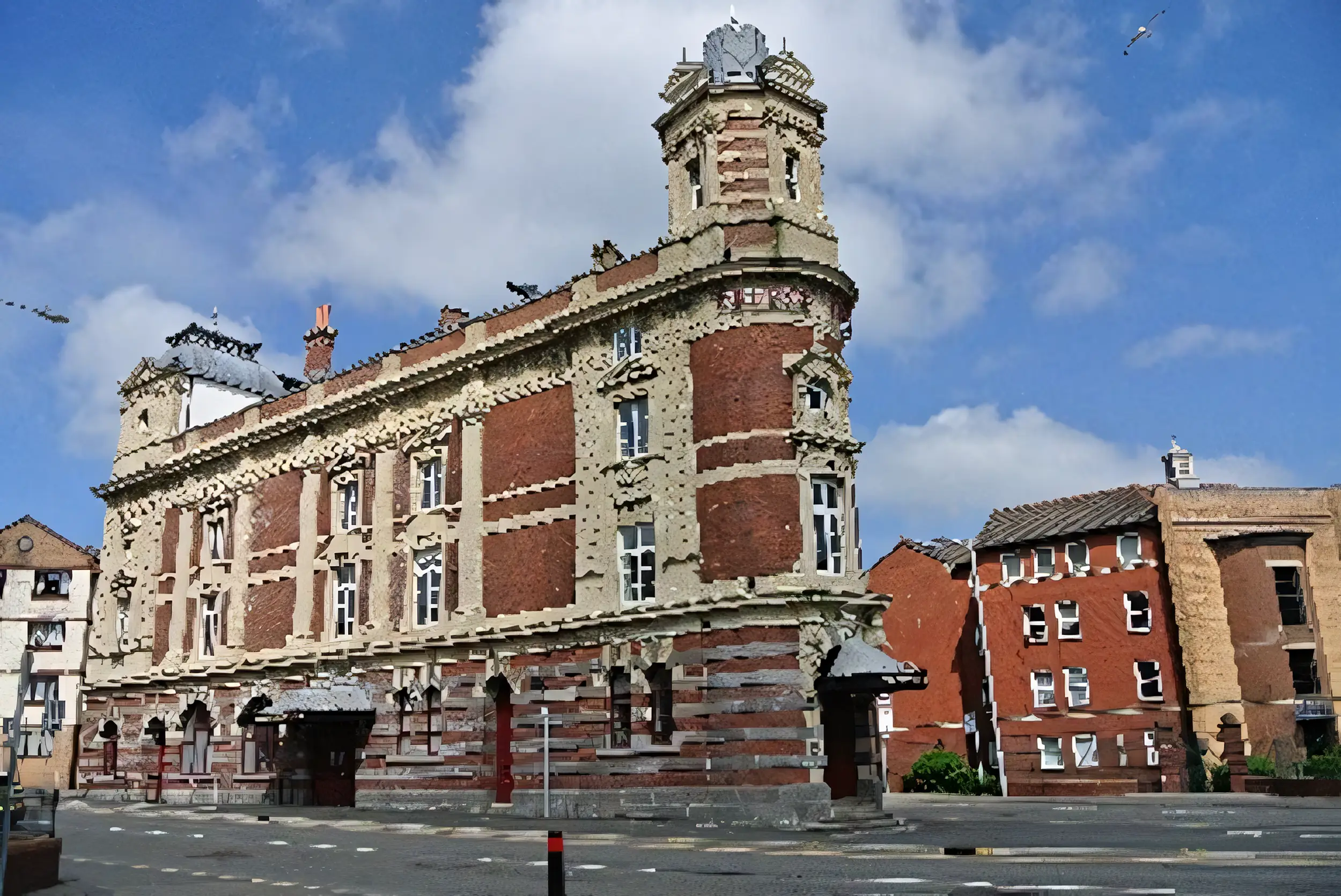
Palace Theatre

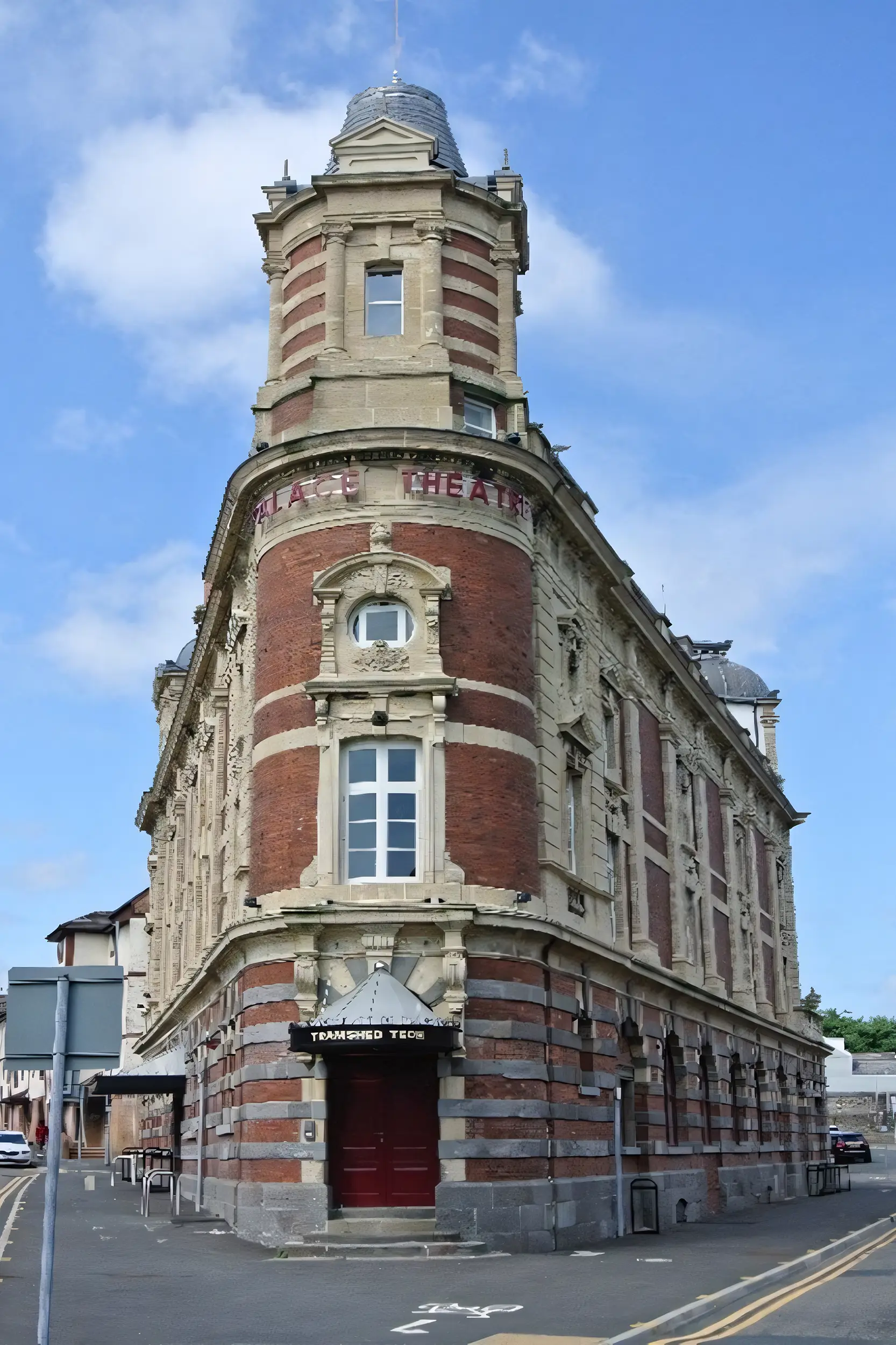
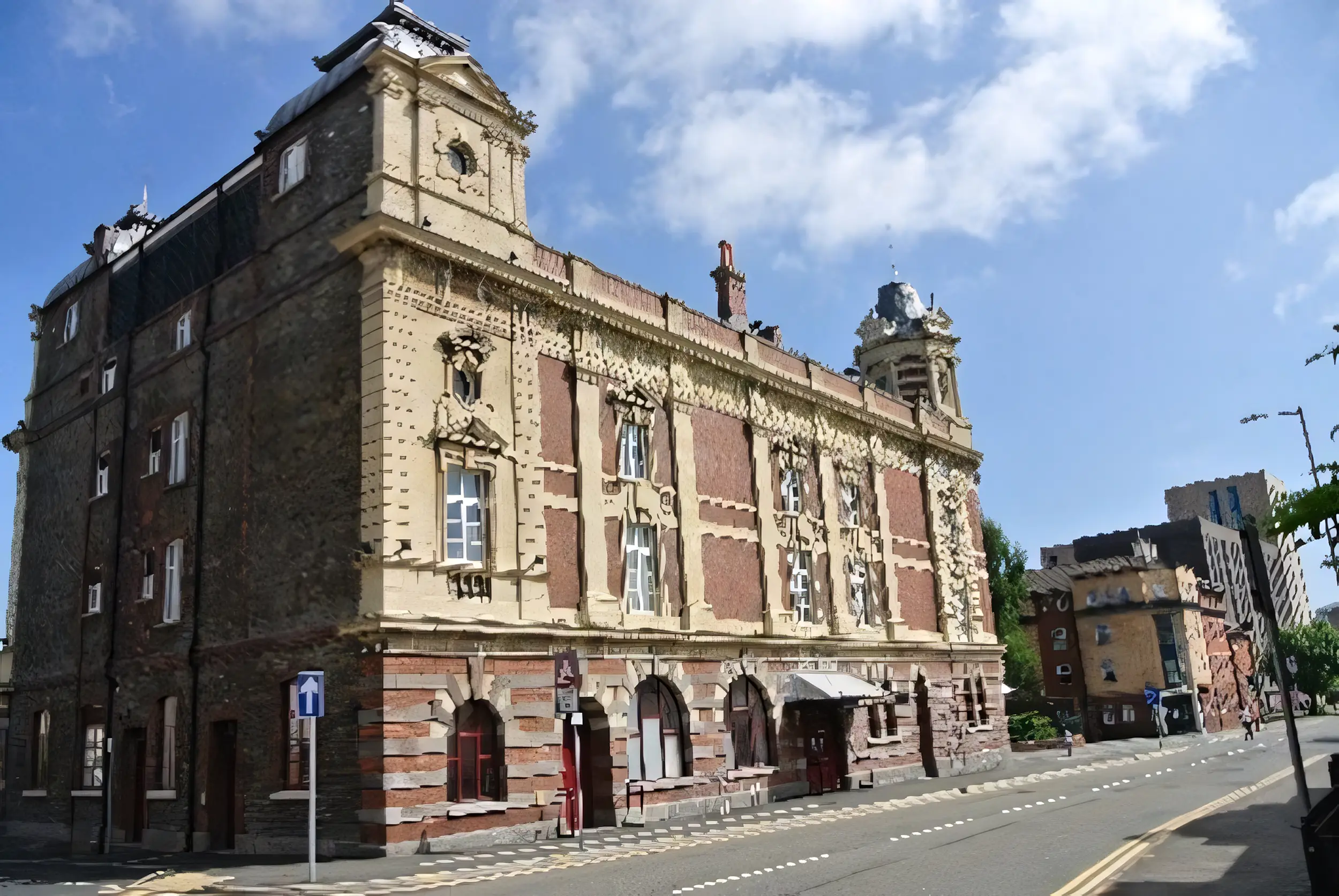
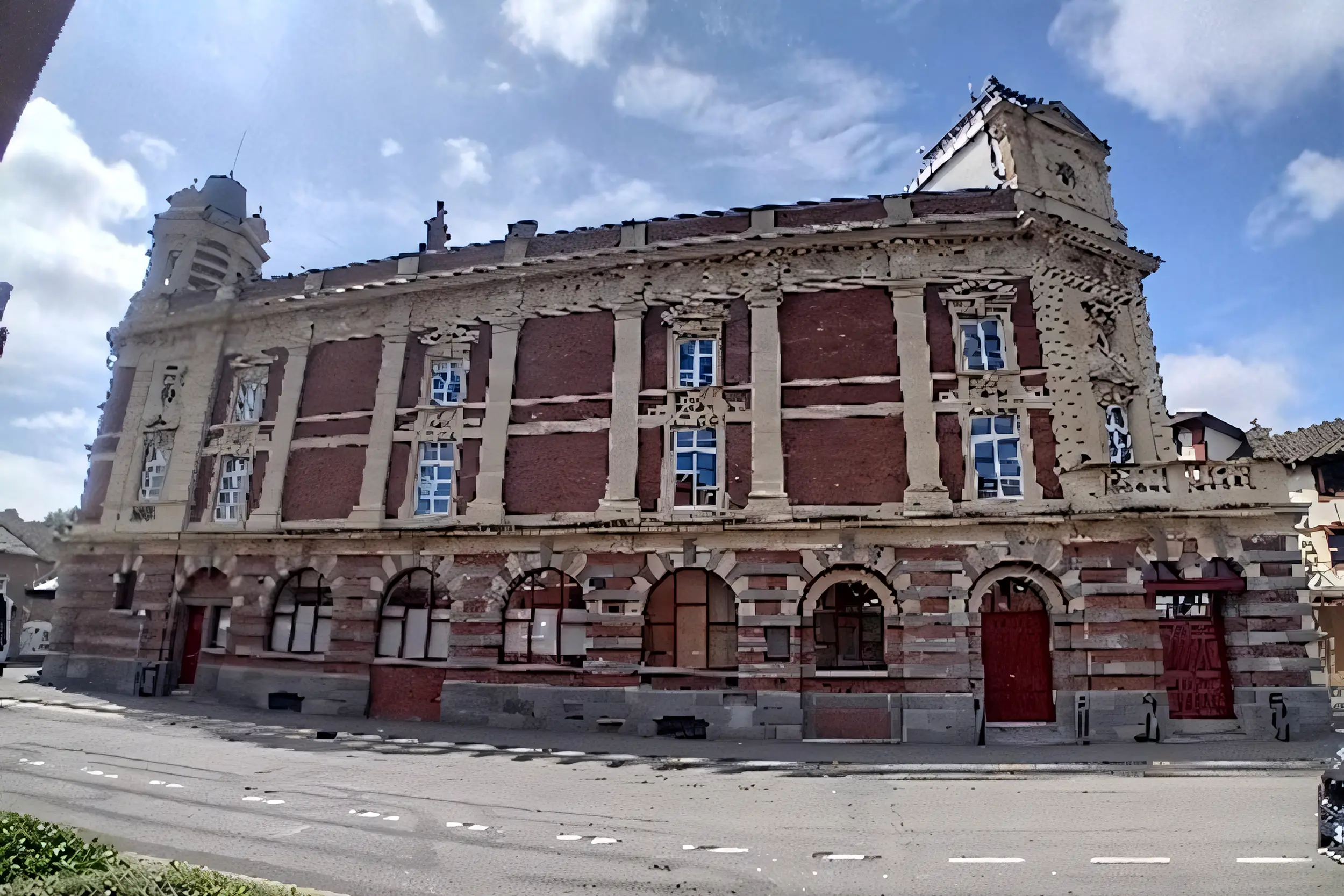
VaultStone restored Swansea’s Palace Theatre with DOFF cleaning, stone repairs and structural rebuilding, stabilising the fabric and returning this Grade II music hall to community use.

CADW Asset Number

CADW Class

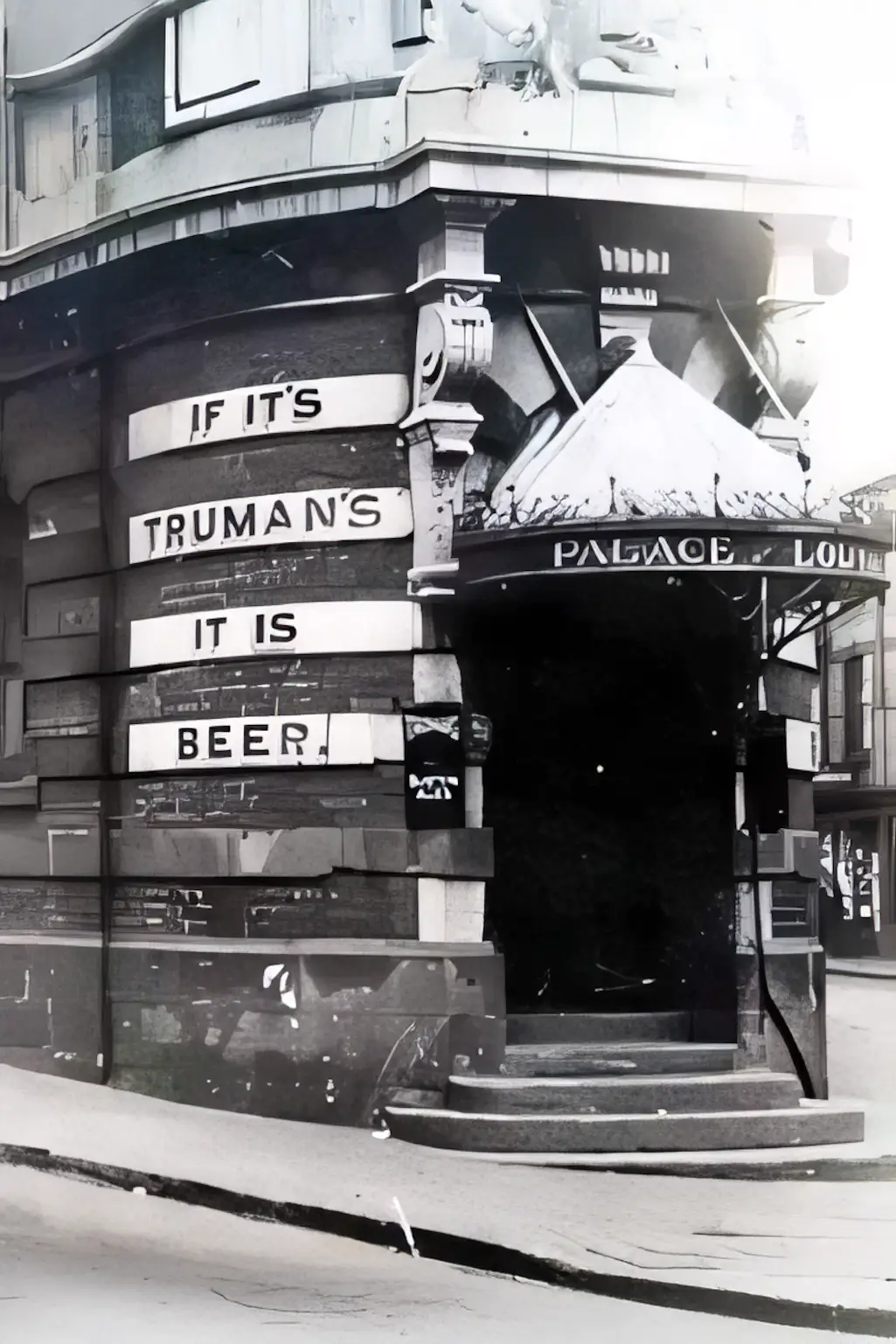
Built: 1888. By Bucknall and Jennings, architects of Swansea. Opened as Swansea Pavilion and later The Empire Music Hall. Converted to cinema 1908 (People’s Bioscope Palace).


Working alongside one of Wales’s leading main contractors, we were proud to contribute to a transformative and ambitious regeneration scheme. The project aimed to restore one of the area’s most neglected and dilapidated buildings and bring it back into beneficial use.

Despite the scope expanding significantly during the construction phase, our commitment to a sensitive and solution-focused approach remained unwavering. We worked collaboratively with all stakeholders, consistently offering constructive input and practical solutions to emerging challenges. Our dedication to quality, safety, and partnership was instrumental in the successful delivery of this landmark restoration and we were truly honoured to contribute to the preservation of the iconic Palace Theatre, one of the UK’s few remaining purpose-built music halls.

This historic venue boasts a storied past, having hosted legendary performers such as a young Charlie Chaplin, Lilly Langtry, Marie Lloyd, and an aspiring Anthony Hopkins, who made his professional stage debut here. The theatre also welcomed beloved acts like Morecambe and Wise, with Ken Dodd being the last stand-up comedian to grace its stage.

Despite its illustrious history, the Palace fell into disrepair following a period of use as a bar and private nightclub. Acquired by the local council in the early 21st century, a formal rescue strategy was developed, and redevelopment commenced in 2020.

Our role in this significant and ambitious scheme was to help return the building to its former glory and make beneficial use of what had become a dangerous and near-unusable structure. As the scope of the project expanded, our sensitive and solution-focused approach remained steadfast. Throughout the construction phase we offered practical solutions,  maintaining a commitment to quality, safety, and heritage preservation.

Initially appointed to undertake a sensitive restoration of the Palace Theatre’s external fabric, our scope focused on:

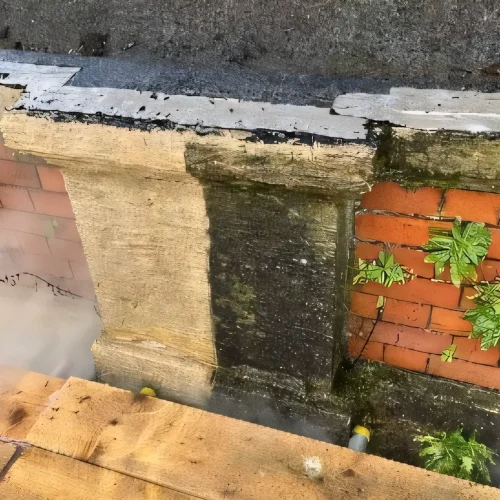
  • A DOFF™ steam clean of all facades to gently remove years of grime and biological growth.
  • Repointing of dressed masonry and infill brickwork panels.
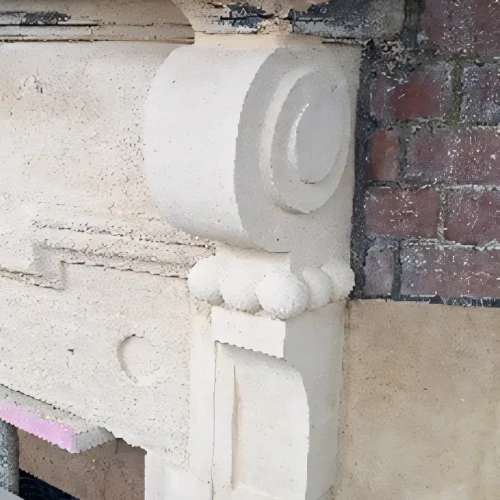
  • Twelve targeted interventions involving the replacement of lost detail or feature stone using new Bath limestone.
  • In-situ repairs to existing Bath stone features and brickwork.
  • De-vegetation of the building’s external envelope to prevent further structural damage.

As the project progressed, our remit expanded significantly. A comprehensive fingertip re-survey of the limestone components ensued, revealing over 300 additional interventions. These required:

  • Templating, scheduling, procurement, and delivery of  new stone elements.
  • On-site hand carving of moulded indents for complex repairs.
  • Installation of intricate architectural features including:
    • Moulded cill sections
    • Cornices
    • Hood canopies
    • Pilaster capitals
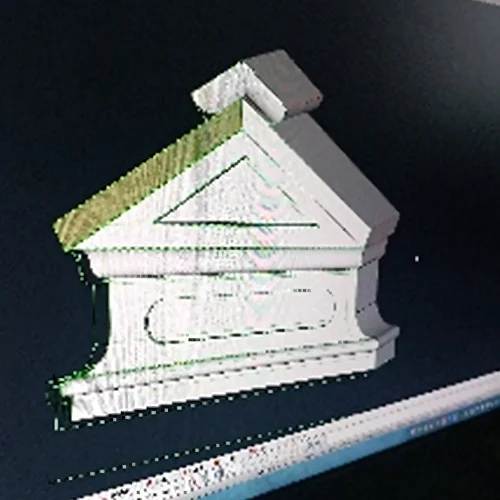
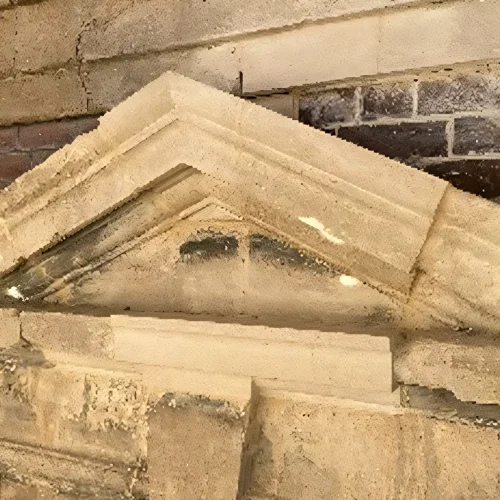
    • And the crowning achievement: four feature   pediments atop the building’s rotunda entrance.

This expanded scope demanded precision, craftsmanship, and close collaboration with conservation specialists to ensure historical accuracy and structural integrity. Our team remained committed to delivering high-quality restoration while preserving the building’s unique heritage.
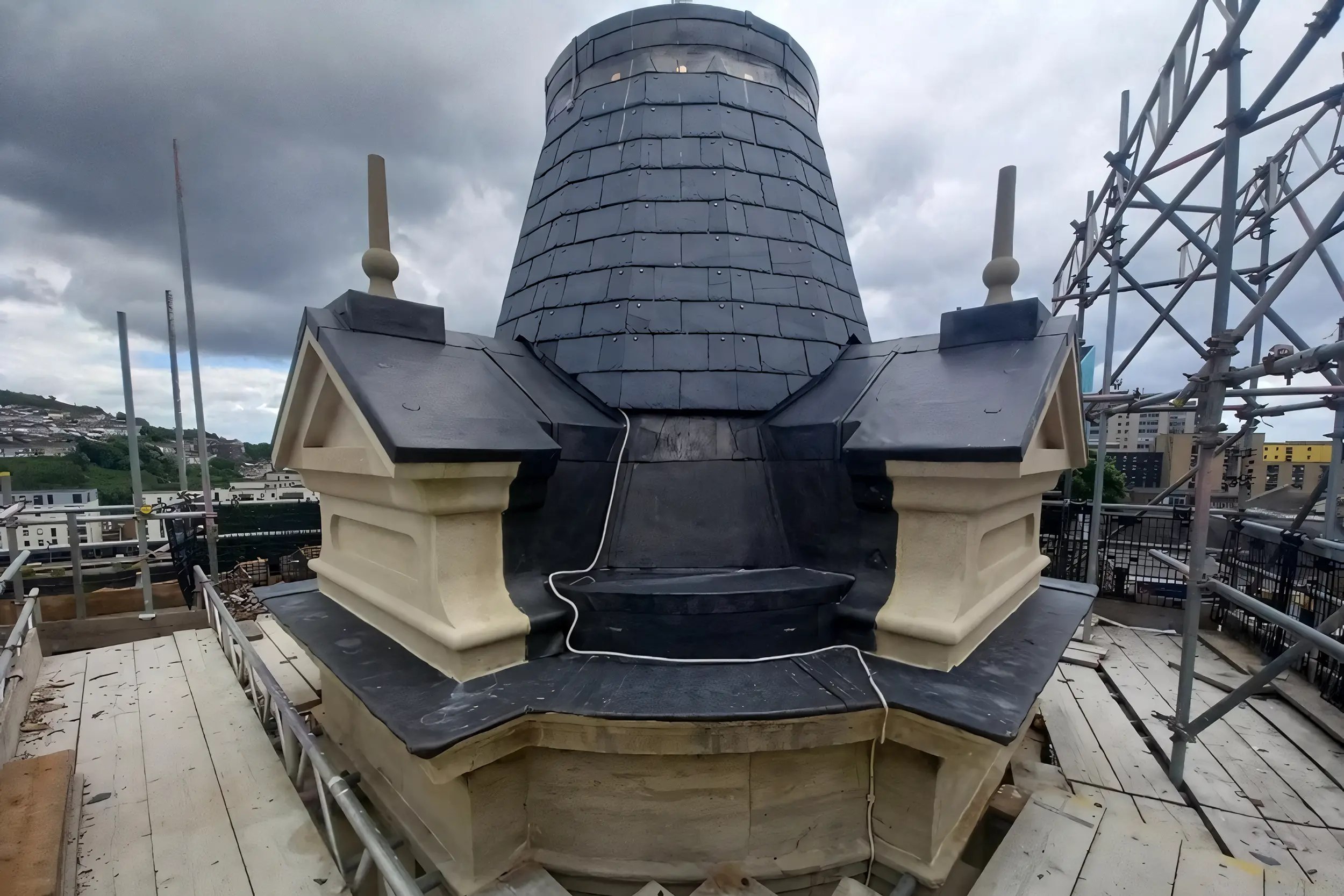
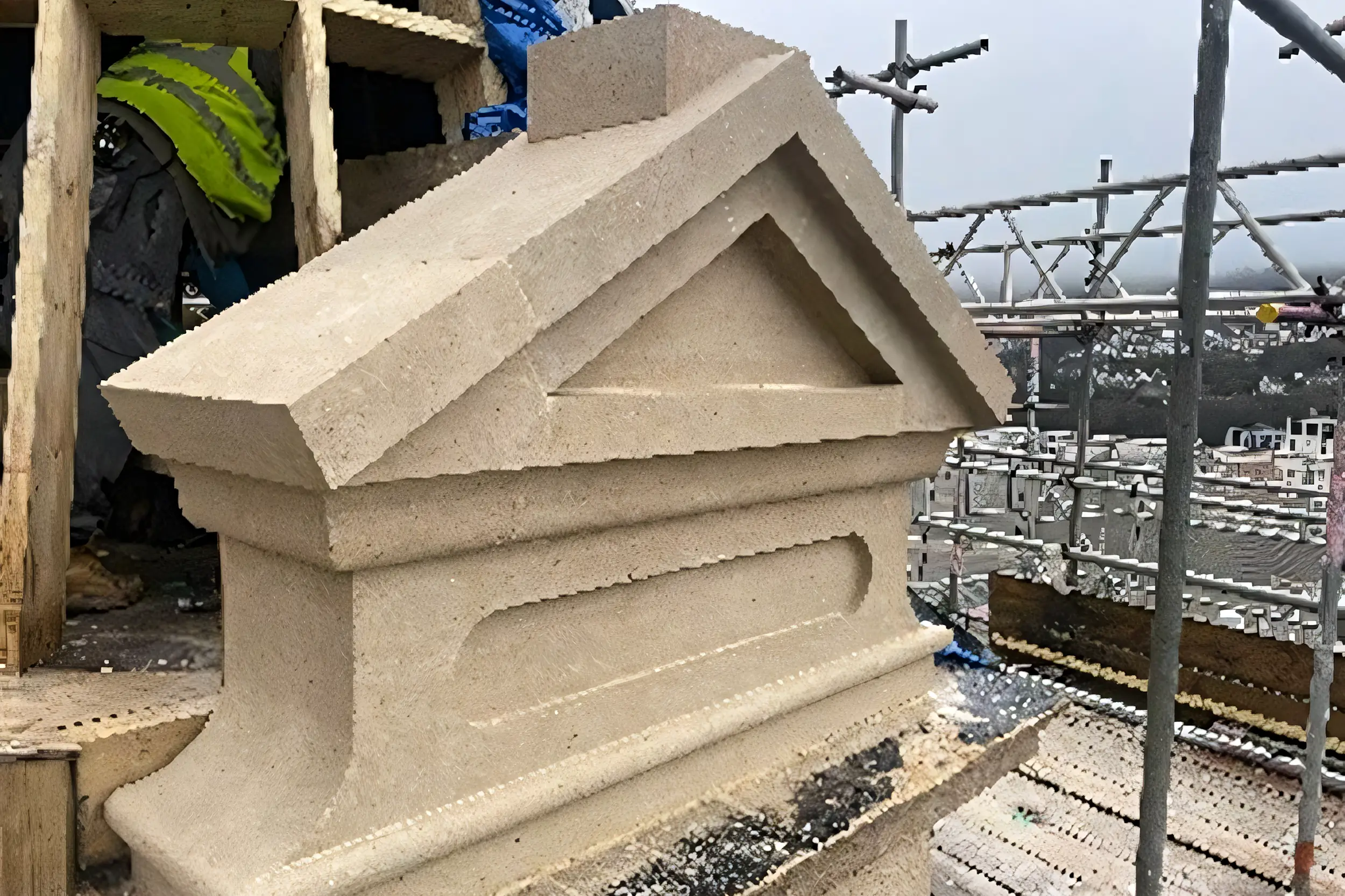
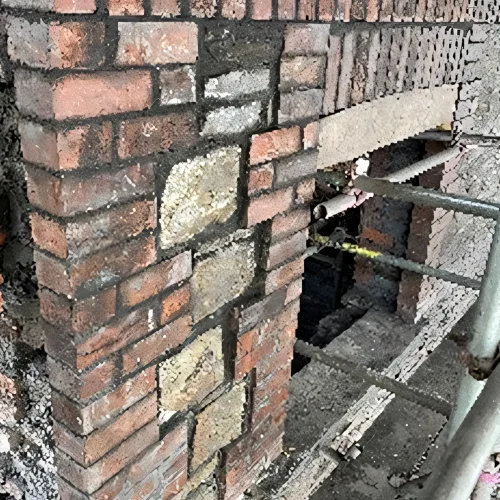
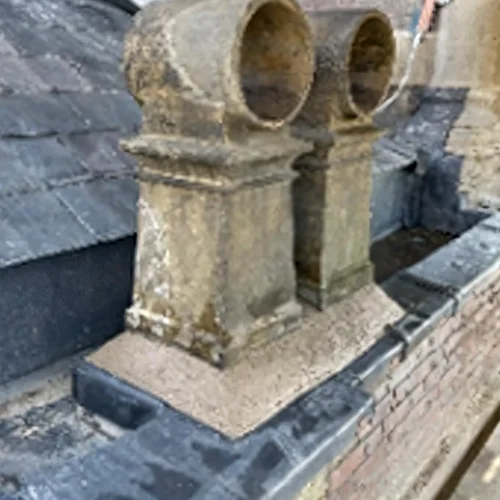
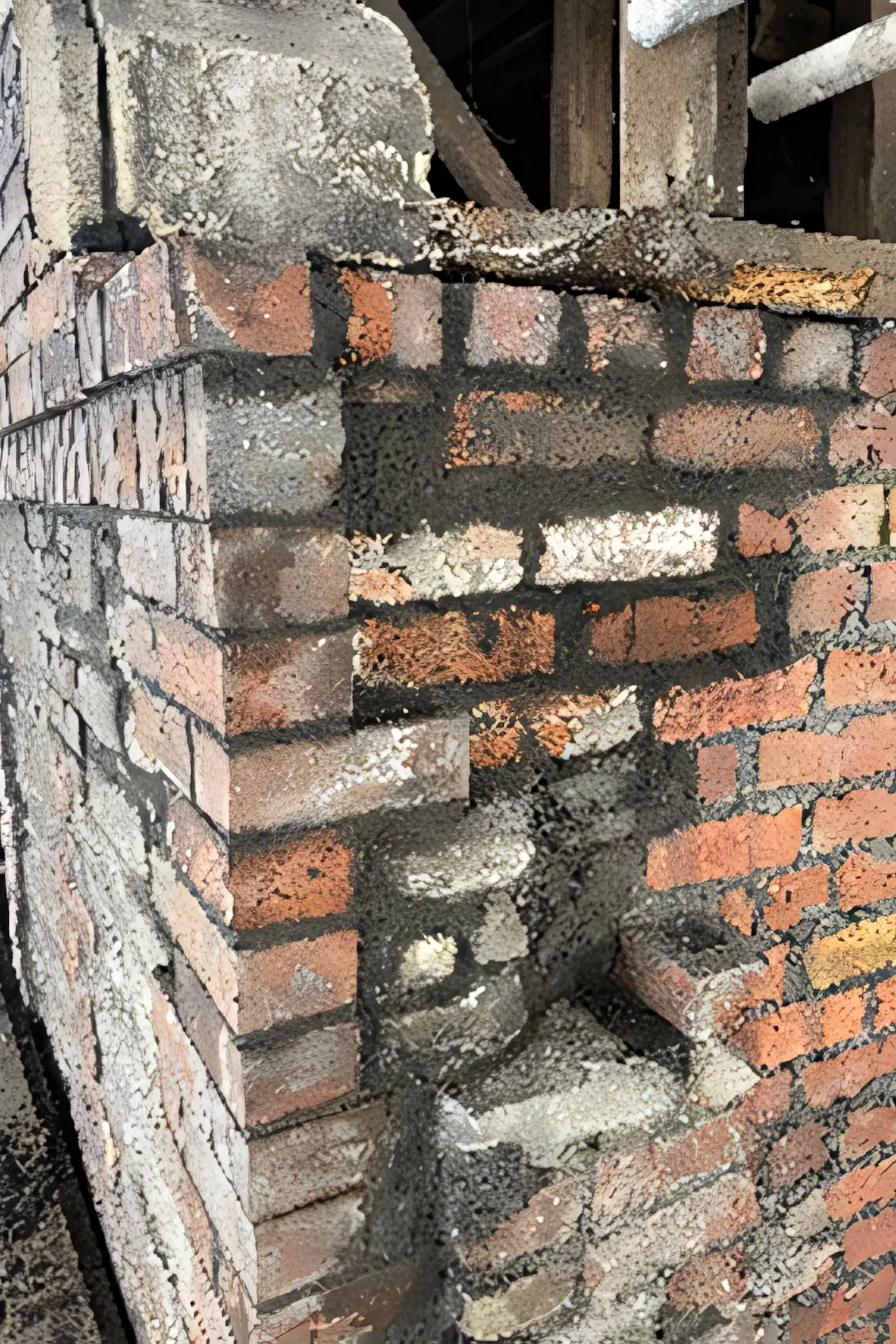
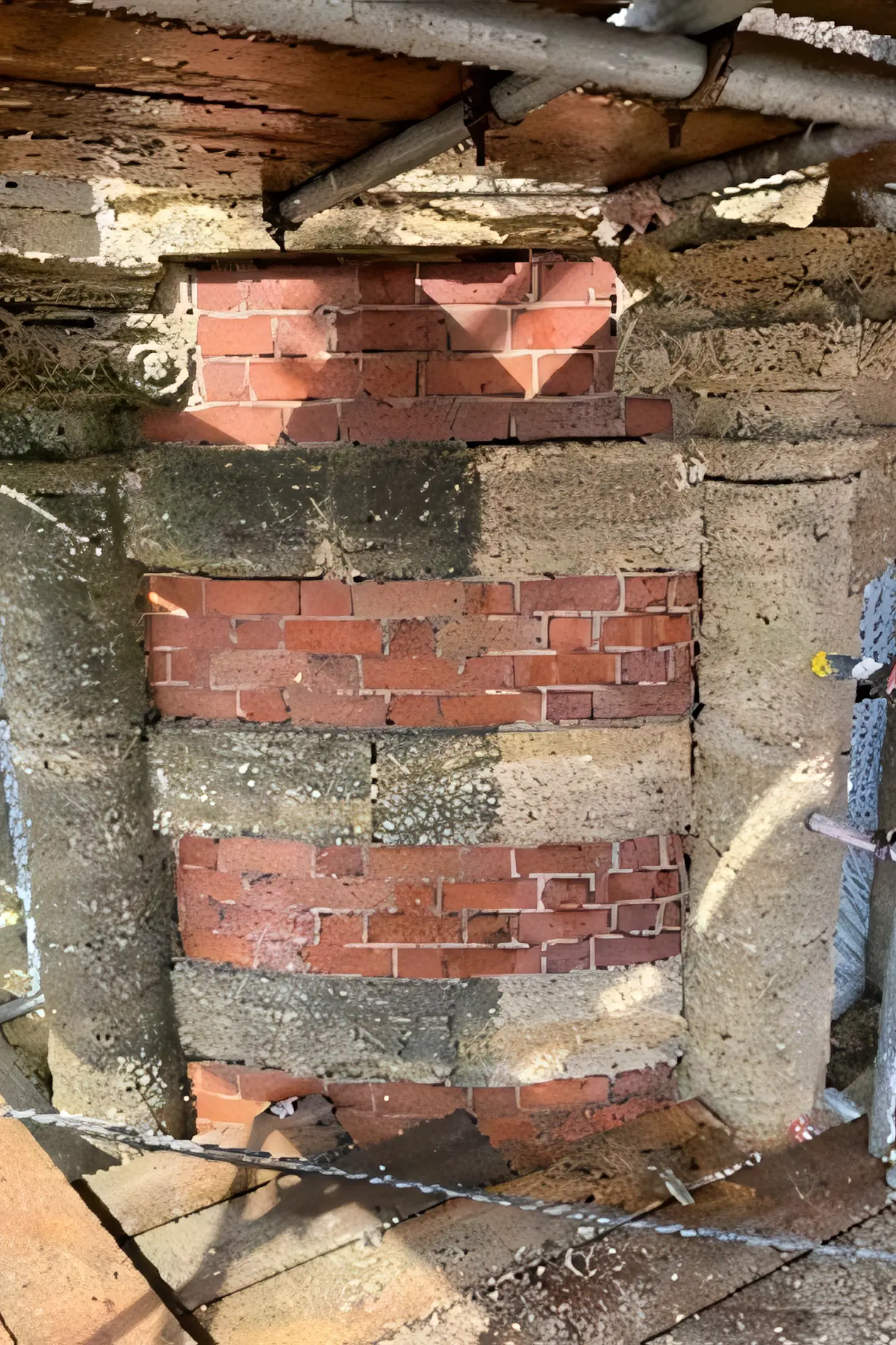
Internally, numerous fragile and unstable walls and chimneys were carefully dismantled and rebuilt or consolidated. We also installed modern replacement lintels throughout the building to ensure long-term structural integrity.

Through our specialist supply chain, we provided:

  • Raw quarried Bath limestone and Pennant sandstone for both features and structural elements.
  • Contemporary Welsh red clay imperial bricks, matched in size and tone to blend seamlessly with the original Class 1 facing brick and internal construction brickwork.
  • Despite exhausting our usual sources for reclaimed imperial bricks, we successfully located supplementary Welsh suppliers with sufficient stock to complete the works.

Years of unchecked moisture ingress and vegetation growth had severely compromised the building’s structural integrity. Key interventions included:

  • Complete dismantling and rebuilding of:
    • Roof-level parapets and copings
    • Pavilion tower cornices and crown mouldings
    • Cornice and upper masonry of the rotunda entrance

Where viable, original stone was reused, supplemented with new stone and stabilised using dowels and structural pinning to ensure long-term durability. The parapet wall was adapted to accommodate the new roof design, and the hidden gable between upper and lower roofs was rebuilt to match the revised roof profile after removing friable mortar.

The rear elevation of the Palace Theatre, facing Bethesda Street, presented a unique set of challenges. Unlike the grander facades, this elevation was constructed primarily from locally quarried Pennant sandstone, with brick quoins and flat-arched window openings still evident.

Years of neglect had left the elevation in poor condition. Blocked gutters and downpipes had caused rainwater to cascade down the face of the building, saturating the stonework and accelerating deterioration. The pitched-faced sandstone had begun to fail and delaminate, with repeated freeze-thaw cycles causing significant fragmentation. This posed a serious health and safety risk to both workers and the public.

Our specialist team was tasked with:

  • Defrassing the delaminated walling stone across the entire Bethesda Street elevation to remove unstable fragments.
  • Raking out failed mortar joints to prepare the surface for restoration.
  • Repointing the elevation using appropriate heritage techniques and materials to ensure both structural stability and visual continuity.

This phase of work required careful handling of fragile materials and a deep understanding of traditional masonry techniques to preserve the character of the building while ensuring long-term durability.

Throughout the scheme, access to the ground-to-first lift level proved particularly challenging due to the confined site conditions and the nature of the access scaffold. It became clear that earlier surveys had concentrated on the more accessible upper areas, overlooking the lower reaches—which, unfortunately, had suffered similar deterioration.

Our team undertook a series of specialist interventions to restore and stabilise this critical section of the building:

  • Replacement of ground floor window sills and entrance steps using locally sourced Pennant sandstone to match the original material and aesthetic.
  • Indenting, repairing, and replacing Pennant and Bath limestone voussoirs in the grand arched windows at ground level.
  • Indenting and restoring the banding around the rotunda’s main entrance to preserve its architectural prominence.

These works required precision and adaptability, especially given the restricted access and the need to maintain consistency with the building’s historic fabric.

As part of the planning conditions for the Palace Theatre restoration, ecological improvements were required to support local biodiversity. We were tasked with integrating bat nesting boxes into the building’s fabric.

Working closely with our supply chain, we sourced bespoke inset bat boxes designed to blend seamlessly with the historic stonework. To install them:

  • We cut out pockets within the random Pennant sandstone walling of the Bethesda Street elevation.
  • Three bat boxes were carefully embedded into the façade, ensuring both structural integrity and minimal visual impact.

This thoughtful intervention not only fulfilled planning requirements but also contributed to the long-term ecological value of the site, supporting bat populations in the urban environment.

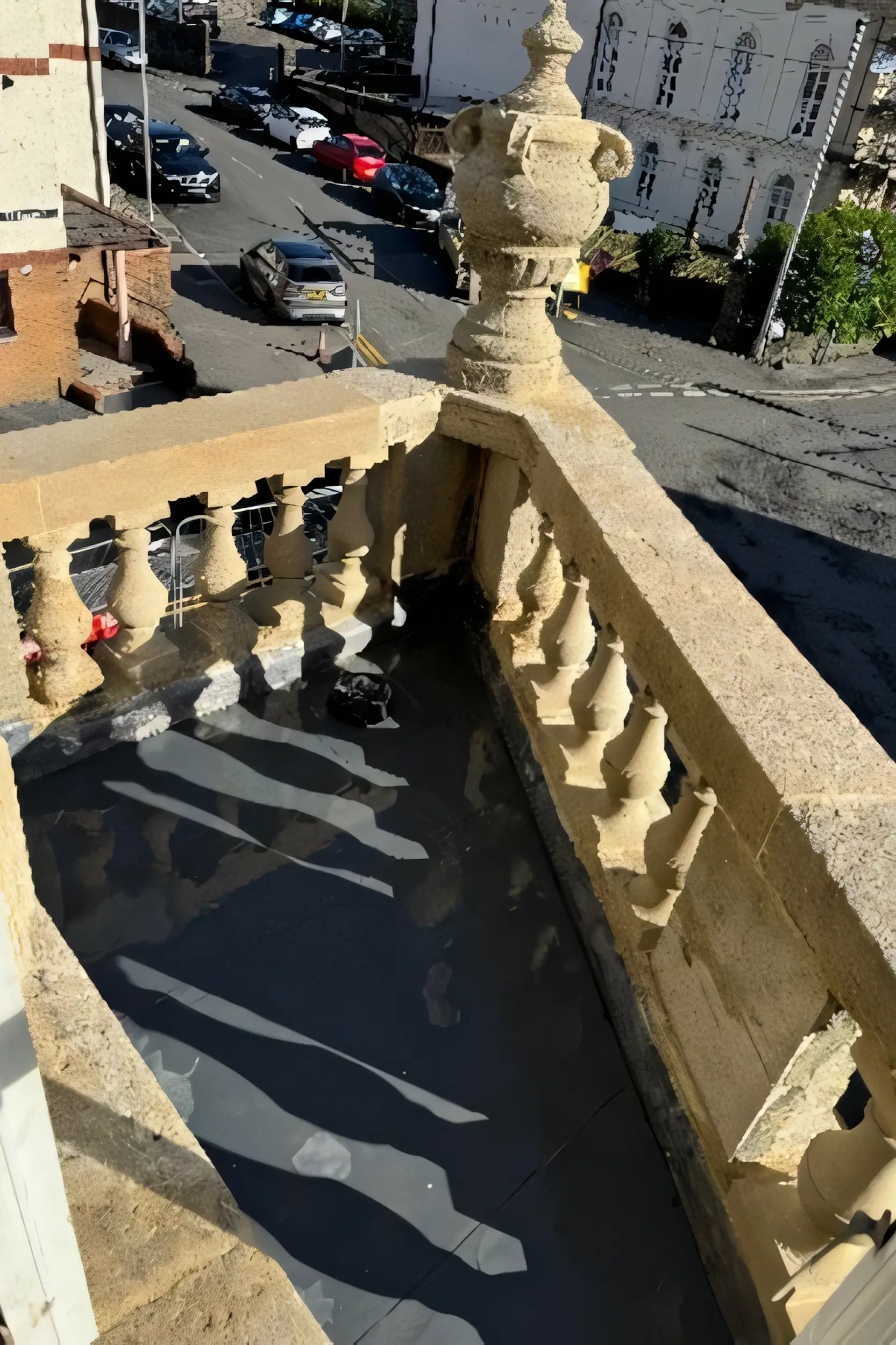
At the junction of Bethesda Street and Prince of Wales Road, the building features a small balconied area above the staircase entrance doors. This section had suffered extensive deterioration:

  • The roof had completely failed, allowing water ingress and further damage.
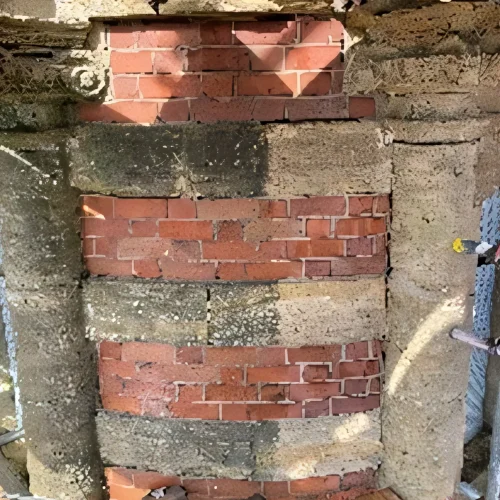
  • The balustrade was in poor condition, with:
    • Numerous damaged and failing balusters
    • A delaminated and disconnected handrail
    • Plinth sections close to collapse

Our team carefully disassembled the masonry and undertook a full rebuild of the balustrade, incorporating:

  • New balusters and handrail sections where necessary
  • Structural stabilisation to ensure long-term durability
  • The introduction of a chase to accept the new waterproof roof covering

This detail was part of a broader scope across the scheme, where we provided chases and subsequent pointing to all roof coverings and flashings, ensuring a watertight interface between restored masonry and new roofing elements.
The ground floor pavement of the Palace Theatre featured several openings providing light and access to the basement, including barrel steps and lightwells. These elements were carefully:

  • Refurbished and stabilised to ensure safety and usability.
  • Made ready to receive new bespoke pavement covers, designed to complement the building’s heritage while meeting modern standards.

Internally, we addressed all staircase treads and landings, ensuring surfaces were:

  • Complete, level, and structurally sound.
  • Prepared to accept fit-out floor coverings, forming a solid foundation for the next phase of interior works.

This gargantuan and complex scheme was delivered by our diligent team of highly skilled fixer and banker masons, supported by dedicated masons’ mates and a capable, knowledgeable management team. The scale and intricacy of the restoration demanded meticulous planning and coordination.

We worked closely with the main contractor and the client’s professional team to schedule and manage the natural progression of the masonry works. Our collaborative approach ensured seamless integration with other subcontractors and site management, helping to bring the project to a successful completion.

From façade cleaning and stone replacement to structural rebuilding and ecological integration, our work has helped deliver a robust, long-lived building that now offers beneficial use to the community and proudly reflects its historic grandeur.

The Palace Theatre is now open and thriving as a pop-up office facility in the heart of Swansea. Its transformation from a derelict shell into a vibrant, functional space stands as a testament to the dedication, craftsmanship, and collaboration of everyone involved. The project has been formally recognised with the Regeneration & Conservation Prize at the Constructing Excellence in Wales (CEW) Awards 2025, celebrating its outstanding contribution to heritage preservation and community revitalisation.

vaultstone 

vaultstone 

vaultstone 

vaultstone 

vaultstone