Pen Y Darren

River Bridge

VaultStone conserved Pen y Darren River Bridge, dismantling and rebuilding sandstone abutments with lime mortar, integrating concrete shelves and finishing with arris to arris tamped pointing.

CADW Asset Number

CADW Class

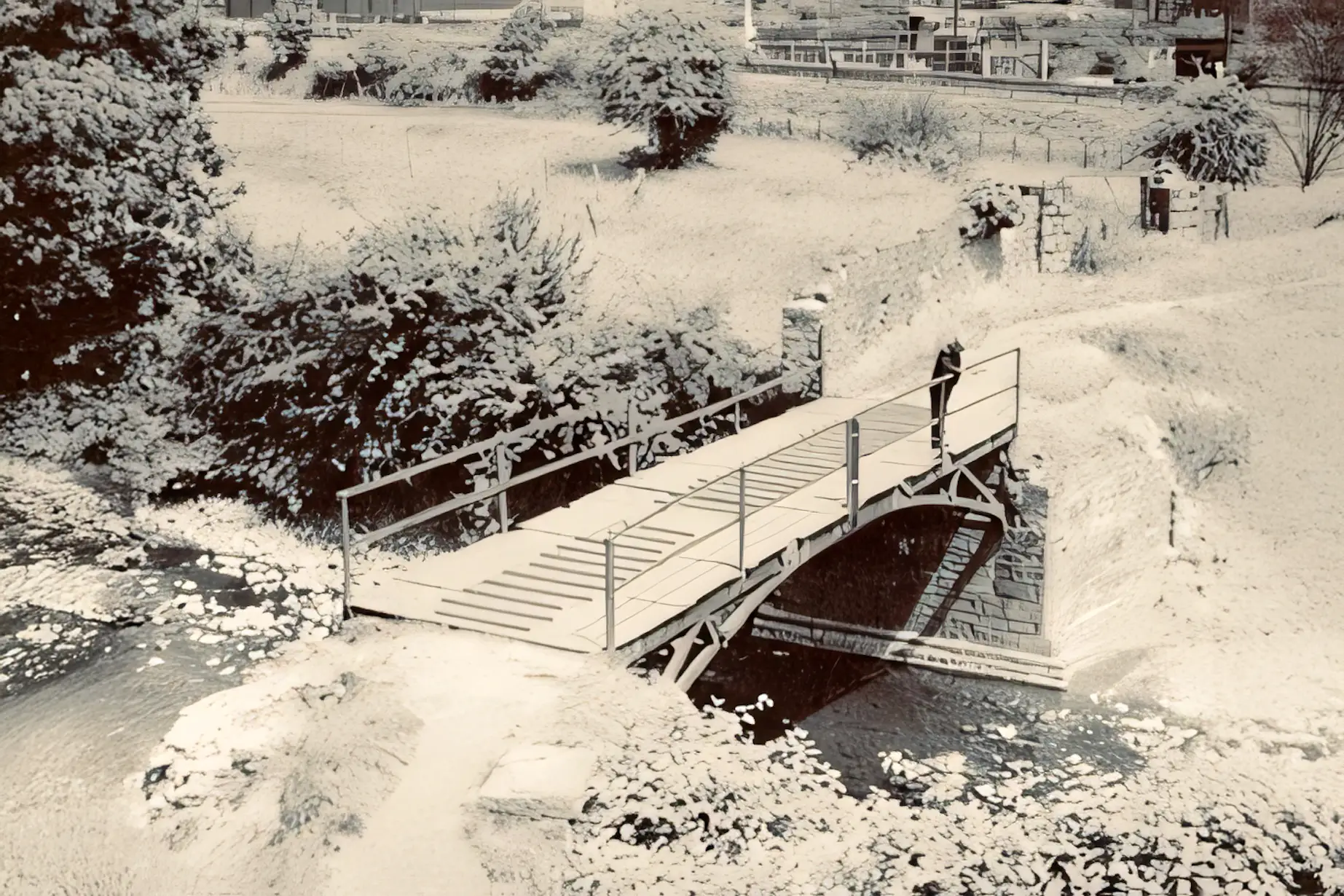
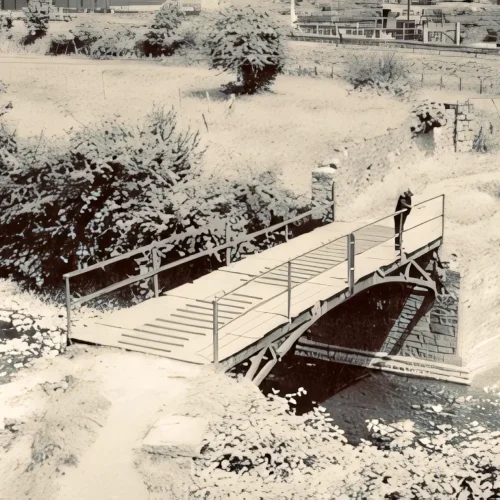
Erected in 1811 and manufactured by the Abernant Foundry. Carried the tramroad from Abernant across to the Trecynon area; may also have carried traffic for Ysguborwen and Aberdare works.


As the specialist subcontractor on this nationally significant infrastructure project, we undertook the dismantling, rebuilding, and conservation of the abutments on both sides of this early cast iron bridge. Dismantling of the abutments was required to facilitate the safe removal of the four arched lattice beams. With the bridge having been temporarily removed for sensitive restoration, our team focused on ensuring the structural integrity and safety of its supporting elements. The abutments were carefully reconstructed and reinforced to meet modern safety standards, while preserving their historical character.

Prior to disassembly, the stonework within the abutments was meticulously recorded in situ through both photographic and drawn documentation. Using traditional craftsmanship and hand tools, the structure was carefully dismantled to preserve its historical integrity.

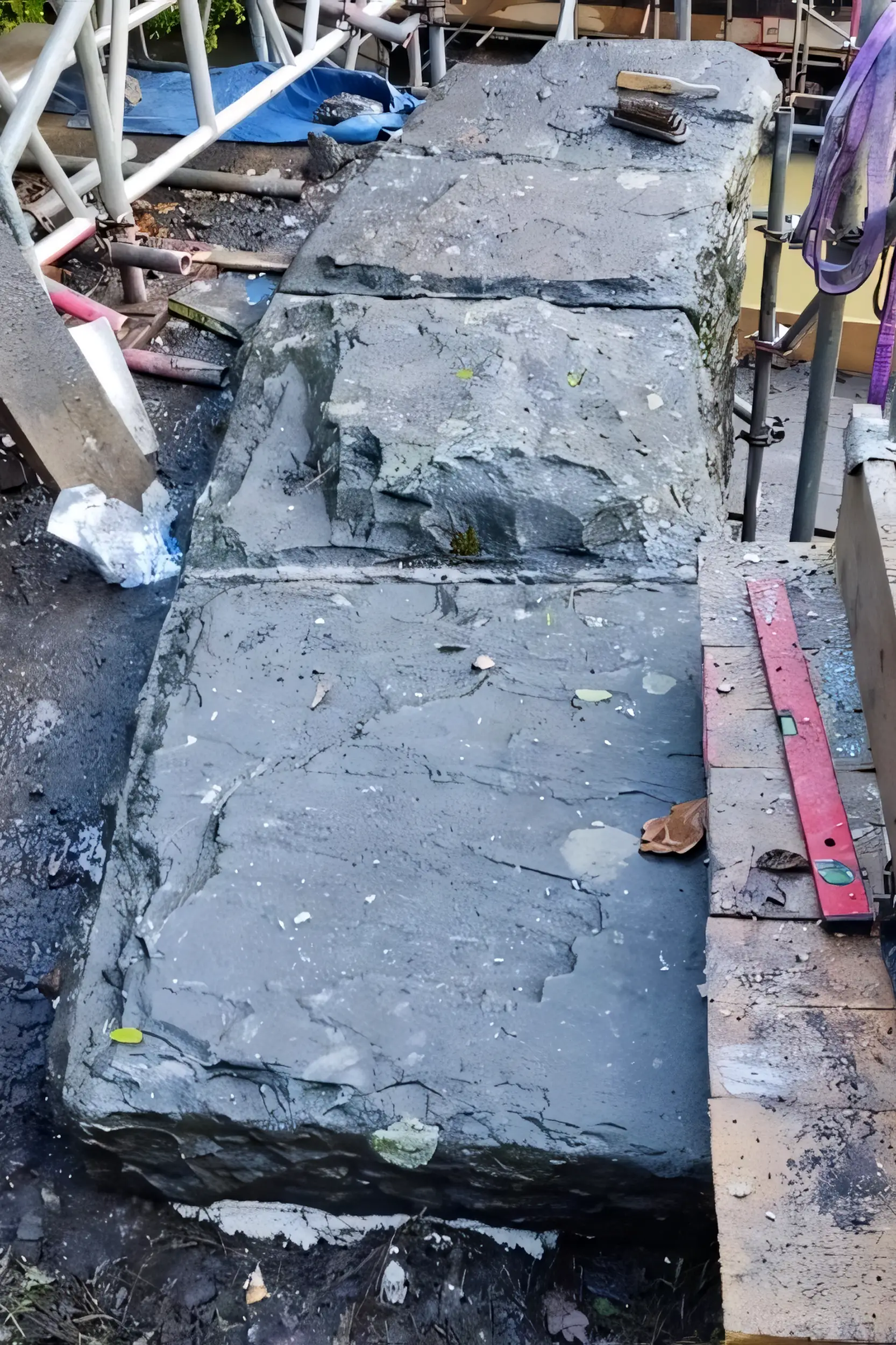
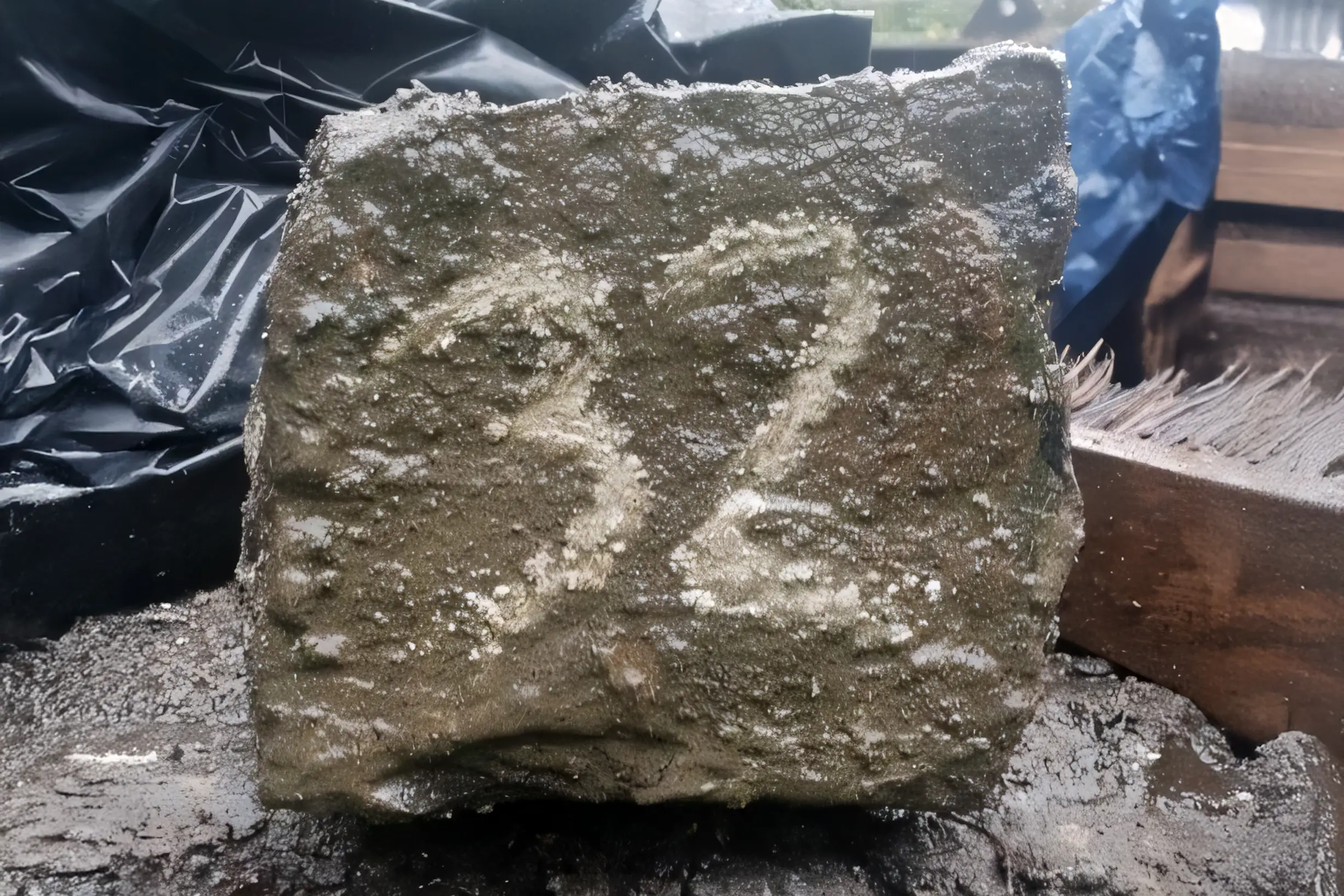
The large flagstone copings on the north abutment were lifted using a crane and, along with the general construction stone, were thoroughly cleaned and prepared for reconstruction. Each stone was individually marked and bagged before being handed over to the Principal Contractor for safe and secure off site storage, ensuring its protection until the appropriate phase of the project.
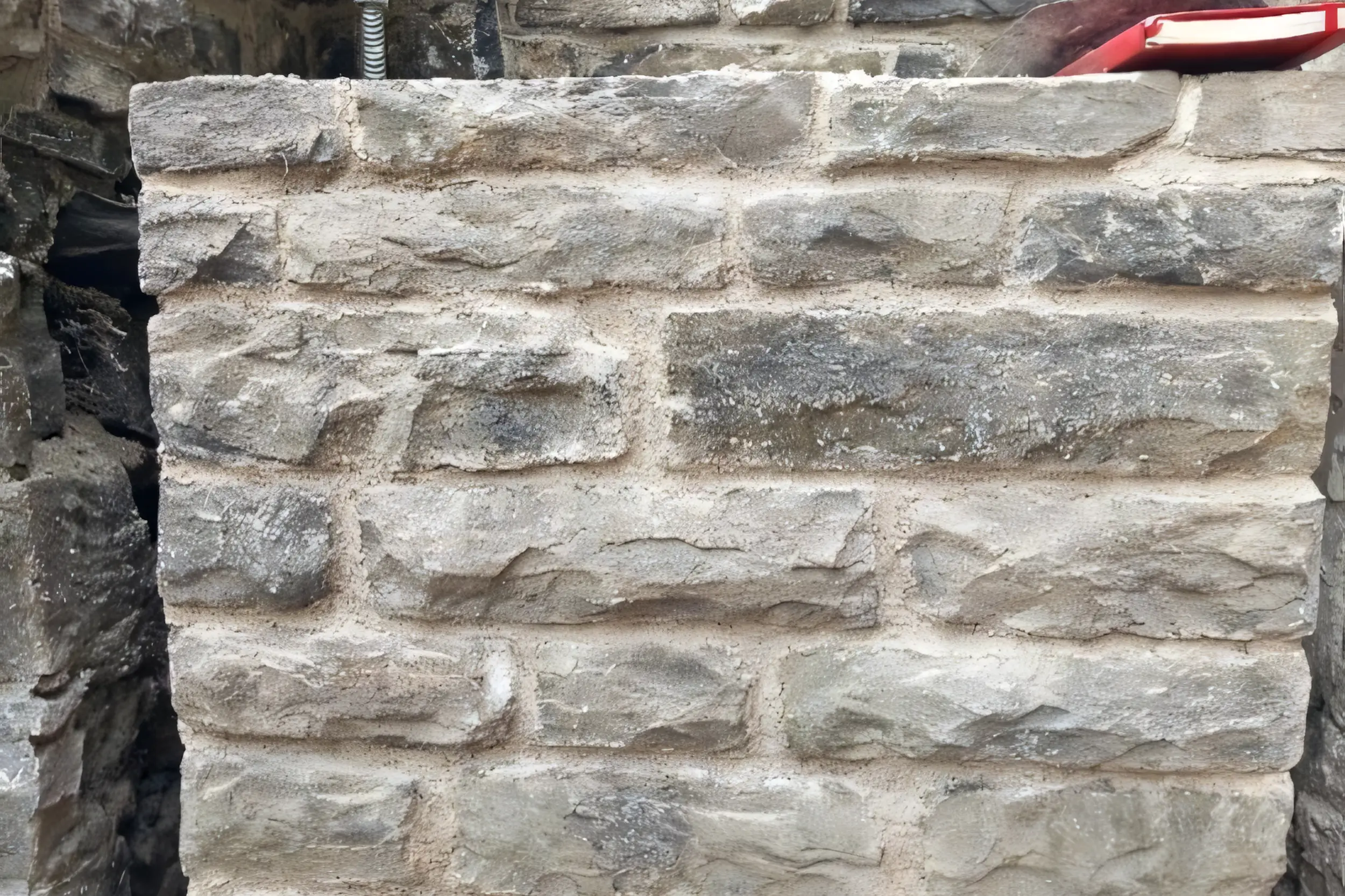
In line with the project schedule and as the refurbishment of the bridge’s ironwork neared completion, the previously stored stone was returned to site for reconstruction. The abutments were painstakingly rebuilt using a bespoke lime mortar, specially formulated to suit the environmental conditions. This mortar was dry-blended off-site and mixed on-site to achieve a workable consistency.

In addition to the visible reconstruction of the abutments, the stonework also served as a permanent shuttering system for a reinforced concrete shelf within both abutments. This concealed modern intervention was a critical component of the project, designed to enhance the structural robustness of the bridge and ensure its resilience for future generations.

By integrating contemporary engineering solutions discreetly within the historic fabric, the project successfully balanced preservation with performance—reinforcing the bridge’s capacity to withstand environmental pressures while maintaining its heritage values.

The north abutment was completed with the installation of large stone flag copings, which were carefully craned into position and laid using the approved mortar mix. At this stage, the access scaffold had been removed to allow for the bridge installation, requiring our operatives to work in a safety harness secured to Kelly blocks with an inertia reel system, effectively mitigating the risk of falls in a challenging environment.

Following the rebuild, all newly constructed masonry was thoroughly cleaned down. The mortar joints were raked back to allow for precise arris-to-arris pointing. This pointing was tamped firmly to ensure the mortar was tightly compressed within the joints, exposing the aggregates and binders and enhancing both the durability and aesthetic of the finish.

This meticulous work now allows the bridge to seamlessly integrate its original cast iron features with contemporary engineering solutions, ensuring its longevity and continued cultural relevance.

vaultstone 

vaultstone 

vaultstone 

vaultstone 

vaultstone